
The Psychology of Color for Every Brand
Color is one of the most powerful tools in a marketer's toolkit. It has the ability to bypass rational thought and tap directly into human emotion and behavior.
In today's competitive marketplace, a brand is more than just a logo or a product—it's an experience. One of the most powerful yet often overlooked elements of branding is color psychology. The colors a brand chooses can influence emotions, shape perceptions, and even drive purchasing decisions. Understanding the psychology behind colors can help businesses create stronger connections with their audience and build a memorable brand identity.
In today's highly competitive business landscape, branding is much more than a logo or a catchy slogan. Every element of a brand contributes to how it is perceived by consumers, and color is one of the most influential factors in that process. Color psychology is the study of how different colors affect human emotions, behaviors, and decision-making. Brands that understand and strategically use color can create stronger emotional connections with their audience, enhance brand recognition, and influence purchasing decisions. In fact, consumers often form their first impression of a brand within seconds, and color plays a significant role in shaping that perception.
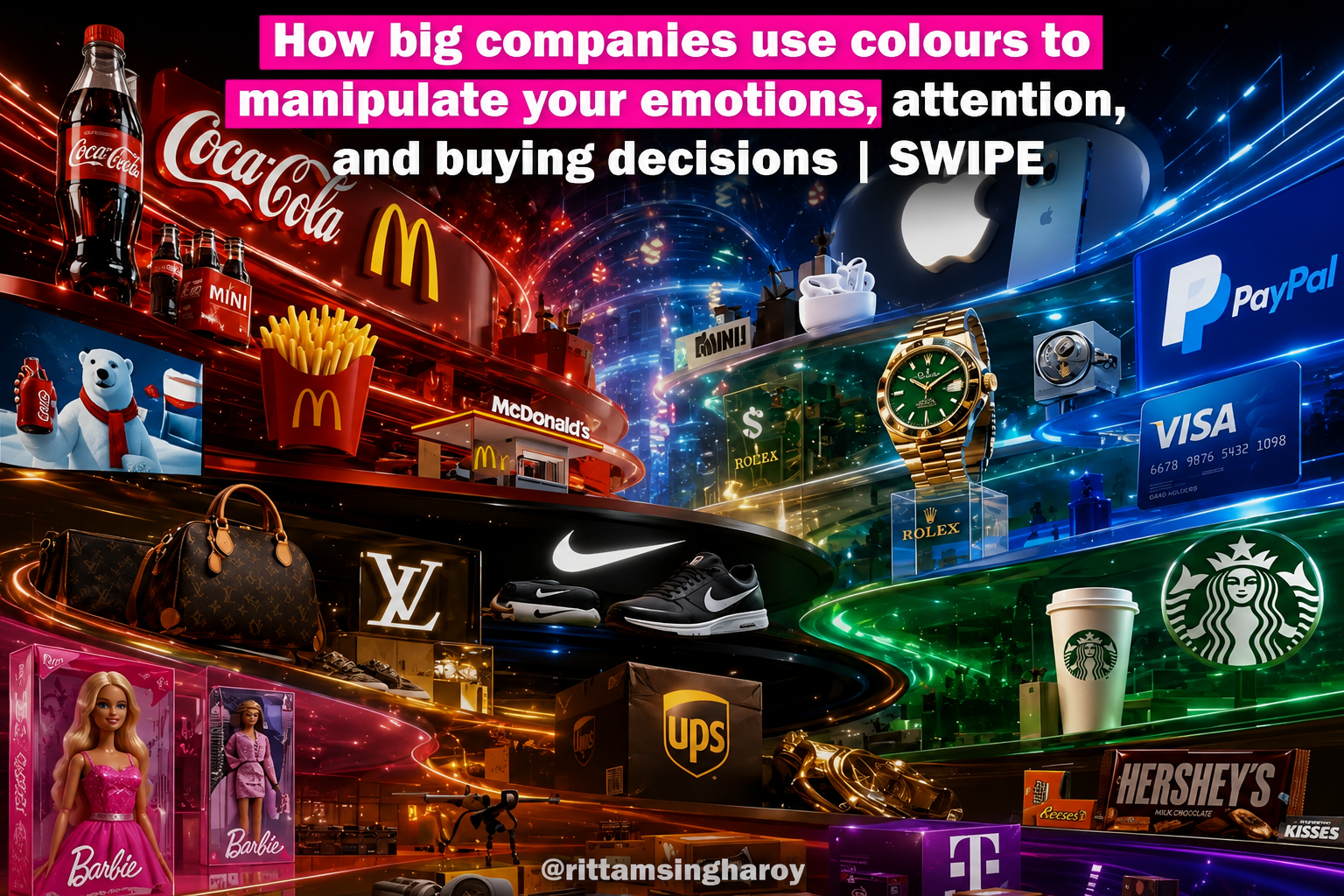
Different colors evoke different emotions and associations. Red, for example, is often linked to passion, energy, excitement, and urgency. It naturally attracts attention and encourages action, making it a popular choice for food, retail, and entertainment brands. Blue, on the other hand, represents trust, reliability, professionalism, and security. This is why many technology companies, banks, and healthcare organizations incorporate blue into their branding. Green symbolizes growth, nature, health, and sustainability, making it an ideal choice for wellness, environmental, and financial brands. Yellow is associated with optimism, happiness, and creativity, helping brands appear energetic, friendly, and approachable. Purple often conveys luxury, innovation, wisdom, and sophistication, making it a preferred color for premium and creative brands.
Similarly, black is widely recognized as a symbol of power, elegance, and exclusivity. Luxury brands frequently use black to create a sense of prestige and sophistication. White represents simplicity, cleanliness, and transparency, often appearing in minimalist and modern branding strategies. Orange combines the enthusiasm of red with the warmth of yellow, creating a sense of confidence, innovation, and friendliness. Brands targeting younger audiences or promoting creativity often use orange to create an energetic and engaging identity.
Choosing the right color for a brand requires careful consideration of several factors. Businesses must first understand their target audience and the emotions they want to evoke. The industry also plays an important role, as certain colors are commonly associated with specific sectors. For example, blue is often expected in financial services due to its association with trust, while green is commonly linked to sustainability and health. Additionally, a brand's personality should guide color selection. A company aiming to appear innovative and creative may choose vibrant colors, while a luxury brand may prefer darker, more sophisticated tones.
Consistency in color usage is equally important. When brands maintain a cohesive color palette across websites, social media platforms, advertisements, packaging, and other marketing materials, they strengthen recognition and create a more professional image. Over time, consumers begin to associate specific colors with particular brands, making color a powerful asset in building long-term brand equity.
Ultimately, color is far more than a visual element—it is a strategic branding tool that communicates values, influences emotions, and shapes customer perceptions. Successful brands do not choose colors randomly; they select them intentionally to align with their mission, personality, and audience expectations. By understanding the psychology of color and applying it effectively, businesses can create memorable brand identities that foster trust, engagement, and lasting customer relationships. In a world where first impressions matter, the right color choice can be the difference between being noticed and being forgotten.